Gruyère, Emmental, Appenzeller, Tête de Moine, Vacherin… Discover Swiss PDO cheeses, their regions, how to enjoy them and where to taste them.
Switzerland is a cheese country par excellence: over 450 varieties are produced here, from the classic wheel to Alpine specialities. This guide presents the main Swiss PDO cheeses (Protected Designation of Origin), their regions, flavours and the best way to enjoy them during your stay.
Swiss PDO cheeses at a glance
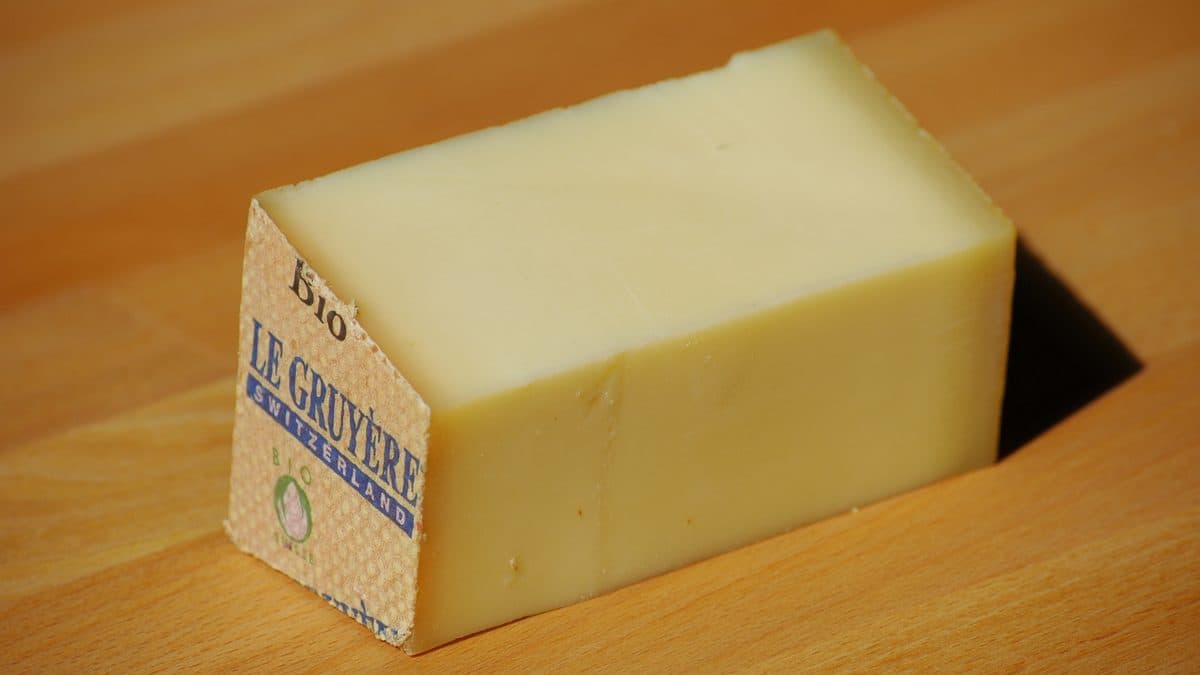
- Le Gruyère PDO: a fruity hard cheese from Gruyères (Fribourg), essential for fondue.
- Emmental PDO: the iconic "holey" cheese, mild and nutty.
- Appenzeller: a tangy semi-hard cheese, cured with a secret herb brine.
- Tête de Moine PDO: shaved into rosettes with a "girolle", from the Bernese Jura.
- Vacherin Mont-d'Or PDO: creamy and runny, a winter speciality in its spruce box.
- Sbrinz PDO: very hard and full-bodied, one of Europe's oldest cheeses.
Gruyère, king of Swiss cheeses
Produced in the cantons of Fribourg, Vaud, Neuchâtel, Jura and Bern, Gruyère PDO is a hard cheese with a fruity taste that evolves with ageing (mild, semi-salted, salted, or "réserve" aged over 10 months). It is the key ingredient of moitié-moitié fondue, blended with Fribourg Vacherin. You can visit a demonstration dairy in Gruyères to see how it is made.
Emmental, Appenzeller and Tête de Moine
Emmental PDO, recognisable by the large holes that form during ageing, comes from the Emme valley. Appenzeller, from eastern Switzerland, owes its character to a herb brine whose recipe remains secret. Tête de Moine PDO is not cut but shaved into fine rosettes using a tool called a "girolle", which multiplies its aromas.
Fondue and raclette: the cheese dishes
Two iconic dishes put cheese centre stage:
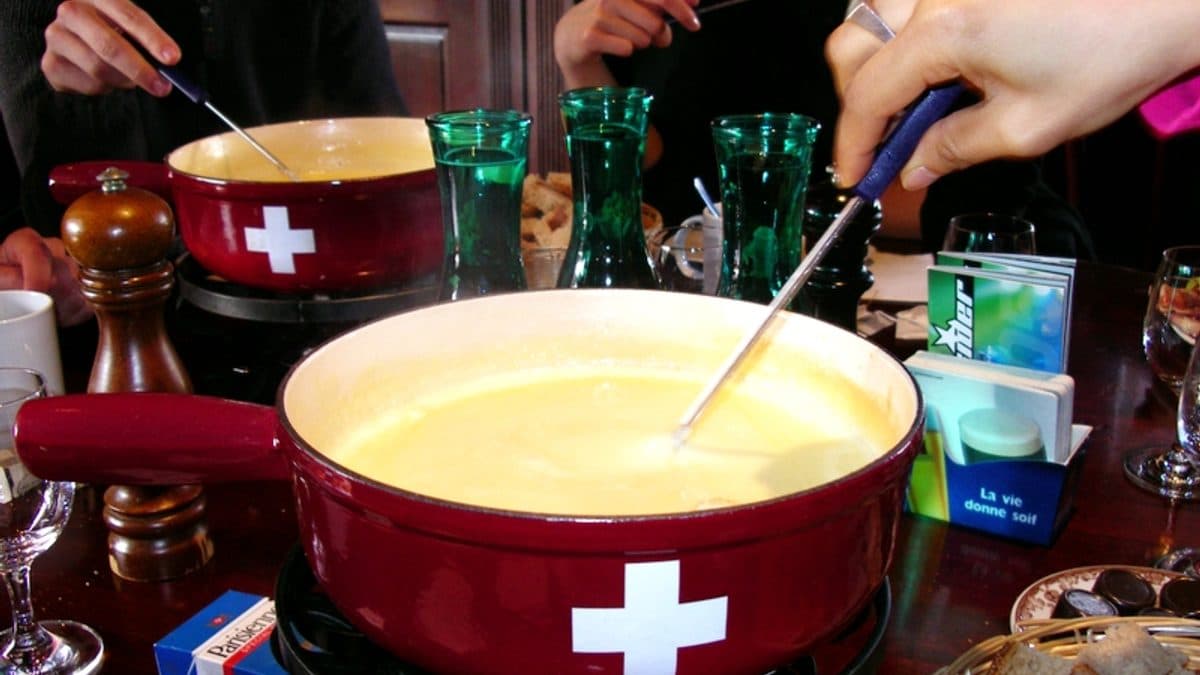
- Fondue: cheese melted in a caquelon, enjoyed with cubes of bread. The "moitié-moitié" version blends Gruyère and Fribourg Vacherin.
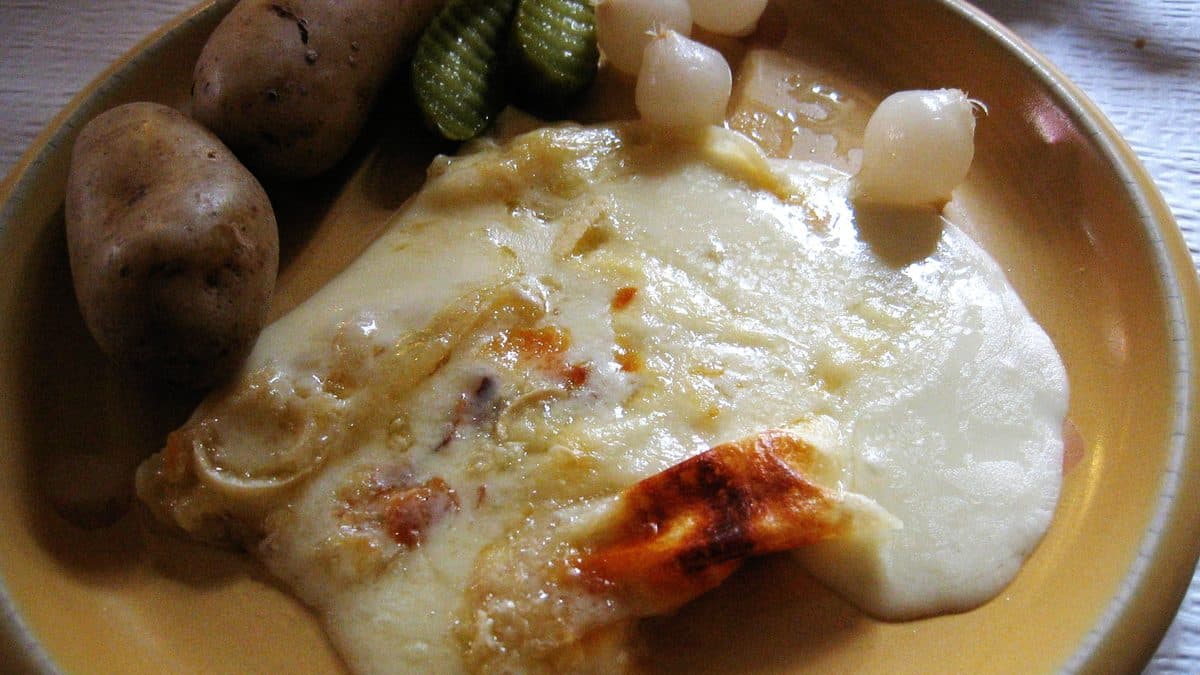
- Raclette: melted cheese scraped over potatoes, gherkins and pickled onions.
These convivial dishes are enjoyed mainly in autumn and winter. To find a restaurant that serves them, explore the dining category and book a table via the Reservation page.
Where to buy and taste Swiss cheese?
Markets, village dairies and ageing cellars offer excellent raw-milk cheeses. In the mountains, look for Alpine cheeses ("alpage" or "Alp"), made in summer at altitude. Many dairies open their doors to the public for a visit and a tasting, often with a shop on site.
How to enjoy Swiss cheeses?
Serve hard cheeses (Gruyère, Sbrinz) at room temperature to release their aromas. Pair them with country bread, dried fruit and a local white wine (Chasselas) or a cider. Tangier cheeses such as Appenzeller go well with beer or a light red wine.
Find the best addresses with TOP SUISSE
With TOP SUISSE, find all these businesses right near you: fondue restaurants, dairies and regional tables are easy to discover by browsing the categories or running a search by city or speciality. To go further, also read our guides where to eat in Switzerland and what to do in Switzerland.
Frequently asked questions
What are the best-known Swiss PDO cheeses?
Gruyère PDO, Emmental PDO, Tête de Moine PDO, Vacherin Mont-d'Or PDO and Sbrinz PDO are among the most renowned. Appenzeller, with its protected designation, is also iconic.
What is the difference between fondue and raclette?
Fondue is cheese melted in a caquelon and enjoyed with bread; raclette is melted cheese scraped over potatoes, gherkins and onions. Both are convivial dishes typically eaten in winter.
Which cheese should you use for a real Swiss fondue?
Moitié-moitié fondue blends Gruyère PDO and Fribourg Vacherin. Emmental can also be added. The mix is melted with white wine and a touch of garlic.
Where can you taste Swiss cheese while travelling?
At demonstration dairies (such as in Gruyères), at markets, in ageing cellars and at restaurants. In summer, look for Alpine cheeses made at altitude.